
Dry Fruit: A Complete Guide to Nutrition, Benefits, and Daily Use
Dry fruits have been valued for centuries across cultures for their rich taste, long shelf life, and exceptional nutritional value. From ancient trade routes to modern kitchens, they continue to be a staple in healthy diets. Whether consumed as snacks, added to meals, or used in traditional remedies, dry fruits play an important role in balanced nutrition.
In this comprehensive guide, we will explore what dry fruit is, its types, health benefits, nutritional value, usage methods, and tips for selecting and storing them properly.
What Is Dry Fruit?
Dryfruit refers to fruits that have had most of their water content removed through natural drying or dehydration methods. This process concentrates nutrients, making them more energy-dense than fresh fruits. Some dry fruits are naturally dried, while others are dehydrated using controlled techniques.
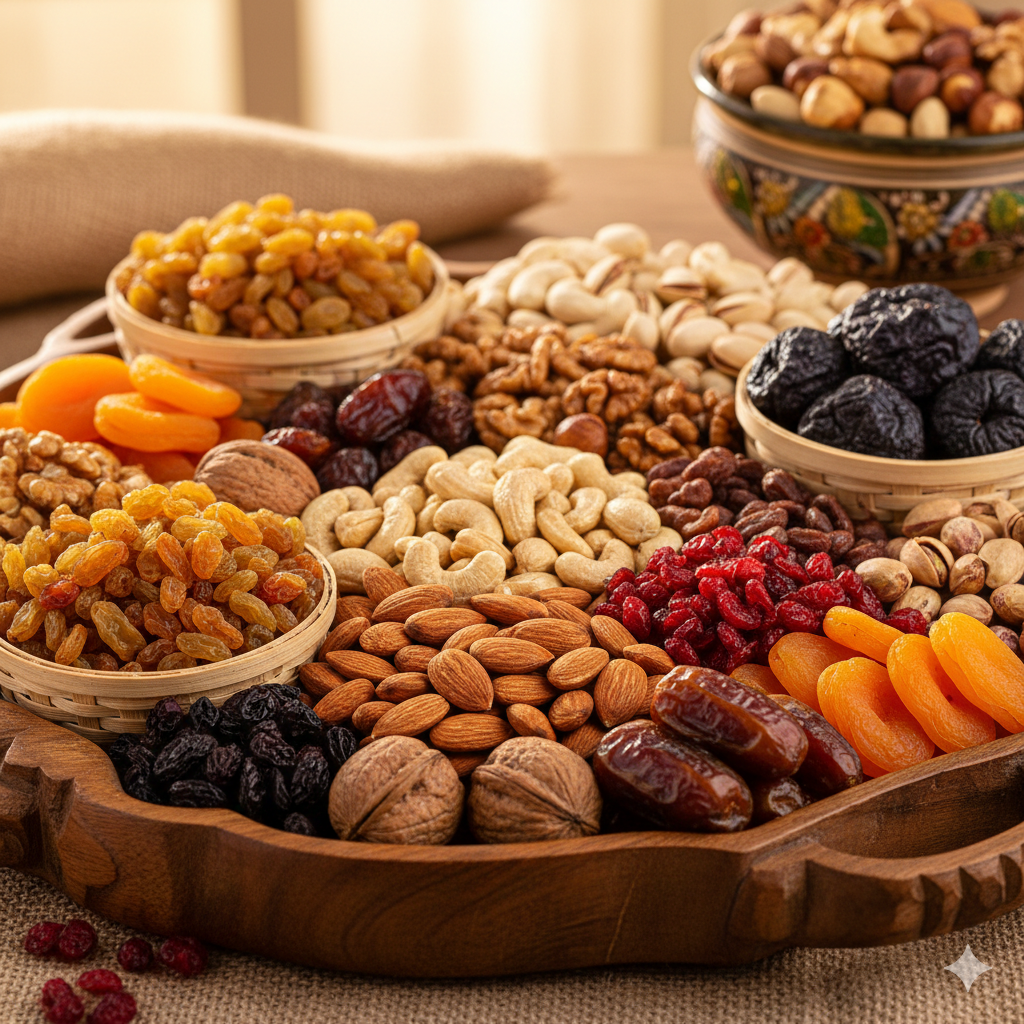
Common examples include almonds, walnuts, cashews, raisins, dates, figs, and pistachios. Because of their nutrient density, dry fruit is often consumed in small quantities but offers significant health benefits.
Historical Importance of Dry Fruits
Dry fruits have been used for thousands of years in Middle Eastern, South Asian, and Mediterranean civilizations. Ancient traders carried them along long journeys because they were lightweight, non-perishable, and nutritious.
In traditional systems like Ayurveda and Unani medicine, dry fruit was considered a natural source of strength, vitality, and healing. Even today, they remain a symbol of health and hospitality in many cultures.
Nutritional Value of Dry Fruits
Dry fruits are packed with essential nutrients that support overall well-being.
Key Nutrients Found in Dry Fruits
Healthy fats (omega-3 and omega-6 fatty acids)
Plant-based protein
Dietary fiber
Vitamins such as Vitamin E and B-complex
Minerals including iron, calcium, magnesium, potassium, and zinc
Natural antioxidants
Because of this rich profile, dry fruit is often recommended for people with high energy needs.
Major Types of Dry Fruits
Almonds
Almonds are one of the most popular dryfruits worldwide. They are rich in vitamin E, healthy fats, and protein.
Benefits:
Supports brain health
Improves skin quality
Helps regulate blood sugar

Walnuts
Walnuts are known for their brain-like shape and cognitive benefits.
Benefits:
High in omega-3 fatty acids
Supports heart health
Reduces inflammation
Cashews
Cashews have a creamy texture and are widely used in cooking.
Benefits:
Supports bone health
Provides energy
Helps maintain healthy skin
Raisins
Raisins are dried grapes and a quick source of natural sugar.
Benefits:
Improves digestion
Supports iron levels
Boosts energy naturally
Dates
Dates are a traditional staple in many regions and a natural sweetener.
Benefits:
Excellent source of fiber
Supports digestive health
Provides instant energy
Pistachios
Pistachios are crunchy, flavorful, and nutrient-rich.
Benefits:
Supports eye health
Helps with weight management
Improves heart health
Health Benefits of Dry Fruit
Boosts Energy Levels
Dry fruits are calorie-dense and provide sustained energy. This makes them ideal for students, athletes, and people with physically demanding routines.
Supports Heart Health
The healthy fats and antioxidants found in dry fruit help reduce bad cholesterol and improve cardiovascular health when consumed in moderation.
Improves Digestion
Many dry fruits are rich in dietary fiber, which supports gut health and prevents constipation.
Enhances Brain Function
Certain dry fruits like walnuts and almonds are known to support memory, focus, and cognitive performance.
Strengthens Immunity
The vitamins, minerals, and antioxidants present in dry fruit help strengthen the immune system and protect against illnesses.
Dry Fruit and Weight Management
There is a common misconception that dry fruits cause weight gain. While they are calorie-dense, consuming dry fruit in controlled portions can actually support weight management.
Why they help:
Promote satiety
Reduce unhealthy snacking
Provide balanced nutrition
Portion control is the key to enjoying the benefits without excess calorie intake.
Dry Fruit for Different Age Groups
For Children
Dry fruits support growth, brain development, and immunity. They can be added to milk, cereals, or snacks.
For Adults
They help manage stress, improve energy levels, and support heart health.
For Elderly
Dry fruits support bone health, digestion, and overall vitality when consumed in easy-to-digest forms.
Best Time to Consume Dry Fruit
The timing of consumption can enhance benefits.
Morning: Soaked dry fruits provide better digestion and nutrient absorption
Midday: Ideal as a healthy snack
Before workouts: Boosts energy
Winter season: Helps maintain body warmth
Soaking certain dry fruits overnight can improve digestibility and nutrient availability.
How to Use Dry Fruit in Daily Diet
As a Snack
A small handful of dry fruit makes a perfect healthy snack between meals.
In Breakfast
Add chopped dry fruits to oatmeal, yogurt, smoothies, or cereals.
In Cooking
Dry fruits are widely used in desserts, rice dishes, salads, and gravies.
In Traditional Remedies
Many cultures use dry fruit in herbal drinks and tonics to improve strength and immunity.
How Much Dry Fruit Should You Eat Daily?
Moderation is essential. A general guideline includes:
Almonds: 5–6
Walnuts: 2–3 halves
Cashews: 4–5
Raisins: 1 tablespoon
Dates: 1–2
A balanced mix ensures nutritional benefits without excess calories.
Choosing High-Quality Dry Fruits
When buying dry fruit, quality matters.
Tips to Select the Best Dry Fruits
Check for natural color and texture
Avoid excessive shine (may indicate polishing)
Choose airtight packaging
Look for freshness and aroma
Organic or preservative-free options are preferable when available.
Proper Storage of Dry Fruits
Improper storage can reduce quality and nutrition.
Storage tips:
Store in airtight containers
Keep in a cool, dry place
Refrigerate in hot climates
Avoid moisture exposure
Proper storage extends shelf life and maintains taste.
Dry Fruit Myths and Facts
Myth: Dry fruits are unhealthy
Fact: When consumed in moderation, they are extremely beneficial.
Myth: All dry fruits increase sugar levels
Fact: Most dry fruits have a low glycemic impact when eaten in controlled portions.
Myth: They are only for winter
Fact: Dry fruit can be consumed year-round with portion control.

Role of Dry Fruits in Traditional Cultures
Dry fruits are deeply rooted in cultural traditions. They are used in celebrations, religious rituals, and hospitality. In many households, offering dry fruit symbolizes respect and goodwill.
They also play a vital role in traditional medicine systems, where they are combined with herbs and natural ingredients.
Sustainability and Dry Fruit Consumption
Dry fruits are considered sustainable due to their long shelf life and reduced food waste. Buying locally sourced and responsibly packaged dry fruits further supports environmental sustainability.
Final Thoughts
Dry fruits are a powerful combination of taste, nutrition, and tradition. Whether you consume them for health, energy, or enjoyment, they offer immense benefits when included wisely in your diet.
By choosing quality products, maintaining portion control, and understanding your body’s needs, dry fruit can become an essential part of a healthy lifestyle.